
Tanzania safaris represent the ultimate expression of African wilderness adventure, offering travelers privileged access to landscapes and wildlife spectacles that define our planet’s natural heritage. This remarkable East African nation has perfected the delicate balance between conservation and tourism, creating opportunities for profound encounters with nature while safeguarding ecosystems for generations to come. From witnessing predators on the hunt to observing complex social behaviors among elephant families, Tanzania safaris deliver experiences that transcend ordinary travel and create lasting transformations in how we perceive our relationship with the natural world.
The Unrivaled Appeal of Tanzania Safaris
Tanzania safaris have achieved legendary status among wildlife enthusiasts, photographers, and adventure travelers worldwide, and this reputation is built on extraordinary foundations. The country has demonstrated visionary leadership in conservation by protecting over 42 percent of its territory through an extensive network of national parks, game reserves, conservation areas, and wildlife management zones. This unprecedented commitment creates sanctuaries where ecosystems function with minimal human interference, allowing natural processes to continue as they have for millennia.
The sheer scale of Tanzania’s protected wilderness distinguishes it dramatically from other safari destinations across Africa. Where many countries offer wildlife viewing within relatively compact reserves bordered by human development, Tanzania provides vast territories where horizons stretch endlessly and wildlife roams freely across landscapes unchanged since prehistoric times. This immensity creates authentic feelings of exploration and discovery increasingly rare in our interconnected, developed world.
Geographic and ecological diversity amplifies Tanzania safaris appeal exponentially. Within this single nation’s borders, travelers encounter volcanic highlands crowned by Africa’s highest peaks, expansive savanna grasslands supporting the planet’s greatest terrestrial migrations, ancient rift valleys carved by tectonic forces over millions of years, tropical coastal forests harboring endemic species found nowhere else, and alpine zones where glaciers cling to equatorial mountains. Each distinct ecosystem supports specialized wildlife communities adapted to specific environmental conditions, ensuring remarkable variety even within compact itineraries.
The maturity and professionalism of Tanzania’s tourism industry ensure consistently excellent experiences across all budget levels. Decades of safari tourism evolution have refined every aspect—professional guide training programs produce exceptional naturalists with encyclopedic knowledge, accommodation options span rustic authenticity to sophisticated luxury, well-maintained park infrastructure balances access with conservation, and efficient domestic flight networks connect remote destinations. This development means Tanzania safaris now accommodate every preference, interest, and budget level without compromising wildlife access or authentic wilderness immersion.
Essential Destinations for Tanzania Safaris
Serengeti National Park: Nature’s Greatest Theater
The Serengeti stands as the cornerstone and crown jewel of Tanzania safaris, embodying everything magnificent about African wilderness. This UNESCO World Heritage Site encompasses 14,750 square kilometers of protected landscapes, though the broader ecosystem extends across approximately 30,000 square kilometers including adjacent conservation areas in Tanzania and Kenya. The name “Serengeti” derives from the Maasai language word “Siringet,” translating to “endless plains”—a description perfectly capturing these vast horizons stretching infinitely toward distant escarpments.
While the Great Migration rightfully commands global attention and draws visitors from every continent, the Serengeti’s extraordinary appeal extends far beyond this singular phenomenon. The park supports approximately 3,000 lions constituting Earth’s largest remaining population, over 1,000 leopards inhabiting rocky kopjes and riverine forests, around 8,000 spotted hyenas organized into powerful clans, and substantial cheetah populations exploiting open plains for high-speed hunting pursuits. These remarkable predator concentrations exist because the Serengeti sustains extraordinary prey densities including hundreds of thousands of resident herbivores—zebras, gazelles, topi, hartebeest, eland, and buffalo—complementing the famous migratory wildebeest herds.
The Serengeti divides naturally into distinct ecological zones, each offering unique Tanzania safaris experiences and supporting different wildlife communities. The southern Serengeti features endless short-grass plains providing optimal visibility for predator spotting and witnessing the spectacular January-March calving season when approximately 400,000 to 500,000 wildebeest calves are born within concentrated three-week periods, triggering intense predation as lions, cheetahs, leopards, and hyenas exploit this abundance. Central Seronera’s varied landscape combines acacia woodlands, seasonal rivers decorated with yellow-barked fever trees, and granite kopjes rising dramatically from surrounding plains, creating year-round wildlife concentrations and exceptional predator viewing opportunities. The western corridor’s Grumeti River system produces dramatic migration crossings from May through July as hundreds of thousands of animals navigate crocodile-infested waters. Northern Serengeti’s rolling hills, permanent rivers including the famous Mara River, and dramatic landscapes create settings for the most spectacular migration river crossings from August through October while offering exclusive experiences away from tourist concentrations.
Ngorongoro Conservation Area: Africa’s Garden of Eden
Ngorongoro Crater represents one of Earth’s most extraordinary geological features transformed into an unparalleled wildlife sanctuary, making it absolutely essential on any Tanzania safaris itinerary. Formed approximately three million years ago when a massive volcano—possibly rivaling Mount Kilimanjaro in height—collapsed catastrophically inward, the crater creates the world’s largest intact and unfilled volcanic caldera. The crater floor spans approximately 260 square kilometers, surrounded by walls rising 600 meters, creating a natural amphitheater functioning as a complete, self-contained ecosystem.
Tanzania safaris to Ngorongoro deliver wildlife viewing experiences difficult to match anywhere globally. The crater supports an estimated 25,000 to 30,000 large mammals residing within its natural boundaries year-round, creating population densities exceptional even by African wildlife standards. The permanent water sources including springs, streams, and the soda Lake Magadi, combined with mineral-rich volcanic soils producing exceptionally fertile grasslands, sustain massive herbivore populations which in turn support Africa’s highest concentration of large predators per square kilometer.
Lions thrive in Ngorongoro in such extraordinary numbers that individual prides sometimes exceed twenty members, maintaining territories passed through generations. Spotted hyenas form powerful clans numbering in the hundreds, demonstrating sophisticated social structures rivaling primates in complexity. The crater provides one of the last remaining refuges for Tanzania’s critically endangered black rhinoceros population, with approximately 30 to 40 individuals surviving under intensive protection—one of the densest concentrations of this species remaining anywhere on the planet.
Morning game drives descending into Ngorongoro frequently produce extraordinary wildlife encounters that epitomize Tanzania safaris excellence. Observing all Big Five species—lion, leopard, elephant, buffalo, and rhinoceros—within a single morning occurs regularly, an achievement difficult to match in any other single location globally. The diverse habitats compressed within the crater including open grasslands, acacia woodlands, freshwater marshes, and the alkaline lake create ecological variety supporting specialized species adapted to each microhabitat.
The conservation area extends considerably beyond the famous crater itself, encompassing the Crater Highlands with their montane forests and moorlands, Empakaai Crater with its deep turquoise lake, Olduvai Gorge where paleoanthropologists discovered some of humanity’s earliest ancestors, and traditional Maasai pastoral lands. This multiple land-use model attempts ambitious balancing of conservation imperatives with indigenous peoples’ rights and traditional livelihoods, creating complex management challenges while also demonstrating potential pathways for sustainable coexistence between humans and wildlife.
Tarangire National Park: Tanzania Safaris Hidden Treasure
Tarangire National Park deserves far greater recognition among Tanzania safaris destinations than its current profile reflects, given its exceptional wildlife concentrations during peak seasons and distinctive landscape character. During the dry season months from June through October, this 2,850-square-kilometer park transforms into one of East Africa’s premier wildlife destinations, hosting animal concentrations rivaling even the legendary Serengeti in density if not absolute numbers. The Tarangire River, flowing year-round through the park, becomes the sole permanent water source across a vast catchment area exceeding 20,000 square kilometers, creating a natural magnet attracting wildlife from enormous surrounding territories.
Elephant viewing in Tarangire ranks among the finest experiences available anywhere in Africa. During peak dry months, herds numbering several hundred individuals converge on the river’s shrinking pools and springs, creating unforgettable scenes of these gentle giants moving gracefully through landscapes punctuated by ancient baobab trees. The park hosts many large bulls carrying impressive ivory—individuals that have learned Tarangire offers relative sanctuary from poaching pressures affecting more accessible areas. Observing complex social interactions within multigenerational elephant families, witnessing elaborate bathing and dust-bathing rituals, hearing their deep rumbling infrasonic communications, and watching protective behaviors toward calves creates profound connections with these remarkably intelligent, emotional beings.
The landscape distinguishes Tarangire dramatically from typical East African savanna imagery that dominates Tanzania safaris marketing. Giant baobab trees, some estimated at well over 1,000 years old, dominate the scenery with their surreal, enormously swollen trunks and twisted branches resembling roots reaching skyward. These botanical ancients serve critical ecological functions beyond their photographic appeal—storing thousands of liters of water during droughts, providing nutritious food through flowers, leaves, and fruit at different seasons, and supporting entire communities of organisms including bats, birds, insects, and small mammals within their massive hollow trunks.
Beyond elephants, Tarangire supports healthy populations of lions forming prides adapted to riverine hunting, leopards prowling dense thickets along watercourses, and substantial buffalo herds. The park hosts several rare and threatened antelope species superbly adapted to arid conditions including the elegant fringe-eared oryx with their rapier-straight horns, long-necked gerenuk standing on hind legs to browse high vegetation, and lesser kudu with their beautiful striped coats. Bird diversity exceeds 550 recorded species including numerous endemic varieties found nowhere else on Earth, making Tarangire exceptional for serious ornithologists alongside general wildlife enthusiasts.
Lake Manyara National Park: Concentrated Excellence
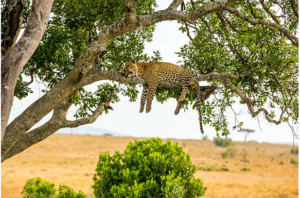
Lake Manyara National Park demonstrates conclusively that exceptional Tanzania safaris experiences don’t require vast territories. This relatively compact park compresses remarkable ecological diversity into approximately 330 square kilometers, with the alkaline Lake Manyara itself dominating the landscape and covering roughly two-thirds of the park during high water periods. The park achieved international fame for its tree-climbing lions—unusual behavior observed consistently here though not fully understood by researchers despite decades of study. Various theories suggest lions climb to escape biting insects, seek cooler temperatures in branches, or simply enjoy elevated vantage points for surveying territories, but the phenomenon remains a distinctive Manyara characteristic.
The groundwater forest at the park’s northern end creates a lush, cathedral-like environment contrasting dramatically with surrounding semi-arid landscapes. Fed continuously by underground springs flowing from the nearby escarpment, this evergreen forest supports entirely different wildlife communities than open areas including elephants that often appear ghostly moving through dense vegetation, massive buffalo herds seeking shade during midday heat, and troops of olive baboons and blue monkeys swinging acrobatically through canopies.
Southern Circuit Tanzania Safaris: Ultimate Wilderness
While northern circuit parks dominate Tanzania safaris marketing and receive the vast majority of visitors, the southern circuit offers equally spectacular experiences with dramatically fewer tourists and more authentic wilderness atmospheres. Nyerere National Park (formerly Selous Game Reserve and recently divided) encompasses approximately 30,000 square kilometers of protected wilderness, making it one of Africa’s largest protected areas. The mighty Rufiji River system flowing through the park creates unique safari opportunities completely unavailable in northern destinations, including boat safaris offering entirely different wildlife perspectives and extensive walking safaris through pristine wilderness where human presence remains minimal.
Ruaha National Park, Tanzania’s largest national park at 20,226 square kilometers, hosts impressive elephant populations estimated at over 12,000 individuals alongside substantial predator numbers including significant lion populations and one of East Africa’s most important remaining African wild dog populations. The Great Ruaha River and seasonal tributaries create vital lifelines through semi-arid landscapes, concentrating spectacular wildlife during dry months in densities matching anywhere in Tanzania.
Diverse Tanzania Safaris Activities
Modern Tanzania safaris encompass remarkably diverse activities catering to varied interests, physical abilities, and adventure preferences, extending far beyond traditional game drives. Classic vehicle-based game drives remain fundamental to most itineraries, utilizing specially modified four-wheel-drive vehicles with pop-up roofs or completely open sides providing unobstructed 360-degree viewing angles and guaranteed window seats for all passengers. Professional driver-guides possess encyclopedic wildlife knowledge accumulated through years of experience, positioning vehicles optimally for sightings while maintaining safe, respectful distances from animals and interpreting behaviors, tracking signs, and ecological relationships.
Walking safaris transform Tanzania safaris experiences by engaging senses that vehicles completely isolate travelers from. Under the protection of armed rangers carrying heavy-caliber rifles and accompanied by expert guides, small groups explore wilderness on foot, learning practical tracking skills by following fresh animal spoor, identifying plants and their traditional medicinal or nutritional uses, understanding predator-prey relationships through examining fresh kill sites, and appreciating countless ecosystem interconnections visible only at ground level and human pace. The inherent vulnerability of walking among potentially dangerous megafauna creates significantly heightened awareness that makes even common species fascinating through entirely new perspectives.
Night game drives unveil completely different wildlife communities invisible during daylight hours. Equipped with powerful handheld spotlights, guides illuminate reflected eyeshine in darkness revealing nocturnal specialists including leopards descending from daytime roosts to begin hunting, servals with enormous ears hunting rodents in grasslands, civets prowling for prey, genets with their beautifully ringed tails moving through trees, and rarely seen species like aardvarks excavating termite mounds, porcupines shuffling along paths, and honey badgers—Africa’s most fearless creatures—confronting anything in their path.
Hot air balloon safaris provide ultimate aerial perspectives over Tanzania’s wilderness areas. Pre-dawn launches lift passengers silently above awakening plains in the magical light of sunrise, floating peacefully with wind currents over wildlife herds beginning daily activities far below. This tranquil drifting contrasts dramatically with ground-level intensity, offering unique photographic angles impossible from vehicles, broader understanding of landscape patterns including water distributions and wildlife movements, and almost spiritual feelings of floating above creation. Most balloon safaris conclude with elaborate champagne breakfasts served in the bush under spreading acacia trees, celebrating the extraordinary experience.
Cultural tourism significantly enhances Tanzania safaris through authentic interactions with indigenous communities, particularly the Maasai people whose traditional territories overlap extensively with major wildlife areas. Visiting Maasai villages provides valuable insights into traditional pastoral lifestyles that have coexisted with dangerous wildlife for centuries, witnessing ceremonial dances and songs passed through countless generations, understanding the intricate symbolism woven into distinctive beadwork, and learning about the considerable challenges facing pastoralists attempting to maintain traditional ways within modern conservation landscapes.
Conclusion
Tanzania safaris offer far more than vacation experiences—they provide transformative journeys into wilderness areas where natural processes continue operating largely unimpeded by human interference, creating profound connections with Earth’s remaining wild places. These immersive encounters reveal fundamental truths about survival, predation, competition, cooperation, and the intricate relationships binding ecosystems together—truths that modern civilization increasingly obscures. Witnessing these dynamics unfold in real time creates deep appreciation for conservation imperatives and generates passionate advocates for protecting natural heritage.
Tanzania’s remarkable success balancing wildlife protection with sustainable tourism development provides valuable, replicable models for conservation efforts globally. The country demonstrates conclusively that intact, functioning ecosystems generate substantial, sustainable economic value through tourism that competes effectively with extractive land uses like agriculture, logging, or mining while preserving irreplaceable natural heritage. This approach faces significant ongoing challenges including human-wildlife conflict, persistent poaching pressures, climate change impacts, and development pressures from growing human populations, but Tanzania’s overall trajectory offers genuine hope for wildlife conservation worldwide.
For anyone seeking authentic, meaningful engagement with wild Africa at its most powerful and beautiful, Tanzania safaris consistently deliver exceptional experiences. The extraordinary combination of abundant wildlife populations, spectacular landscapes, professional infrastructure, ethical operators, and genuine wilderness creates adventures that thoroughly satisfy first-time safari-goers while continuing to captivate and inspire even the most experienced African travelers.
Key Takeaways
- Tanzania safaris provide access to over 42% of the country protected for conservation, creating vast interconnected ecosystems where wildlife thrives
- The Serengeti supports approximately 3,000 lions and hosts Earth’s greatest terrestrial migration involving over 1.5 million wildebeest
- Ngorongoro Crater contains 25,000-30,000 large mammals within the world’s largest intact volcanic caldera with Africa’s highest predator densities
- Tarangire National Park offers exceptional elephant viewing with hundreds gathering along the river during June-October dry season
- Activity diversity extends beyond game drives to walking safaris, night drives, balloon safaris, boat safaris, and cultural encounters
- Southern circuit parks provide equally spectacular wildlife with dramatically fewer visitors and more remote wilderness experiences
- Seasonal variations create distinctly different experiences—dry season optimizes viewing, calving season delivers predation drama, wet season offers exclusivity
- Tourism directly funds conservation through park fees, anti-poaching operations, community development, and employment alternatives
- Accommodation ranges from ultra-luxury lodges to authentic bush camping without compromising wildlife access or viewing quality
- Professional guiding standards and mature tourism infrastructure ensure consistently high-quality experiences across all budget levels
Frequently Asked Questions
What distinguishes Tanzania safaris from other African safari destinations?
Tanzania safaris excel through exceptional wildlife abundance, vast wilderness scale, and extraordinary ecological diversity unmatched elsewhere. The country protects larger territories than most alternatives, allowing complete ecosystems and natural migrations to function uninterrupted. The Serengeti hosts Earth’s largest lion population and greatest wildlife migration. Ngorongoro offers unique crater ecosystem with exceptional densities. Professional guiding standards, diverse accommodation options from budget to ultra-luxury, and mature tourism infrastructure ensure quality experiences. While Kenya, Botswana, South Africa, and Zambia offer excellent safaris, Tanzania’s combination of scale, diversity, wildlife abundance, and conservation success creates unmatched overall experiences.
How much should I budget for Tanzania safaris including all expenses?
Tanzania safaris costs vary enormously based on accommodation level, season, duration, parks visited, and group size. Budget camping safaris cost approximately $200-300 per person daily, totaling $1,400-2,100 for seven days. Mid-range lodge safaris range $400-650 daily or $2,800-4,550 weekly. Luxury safaris cost $800-1,500+ daily or $5,600-10,500+ weekly. Ultra-luxury private experiences exceed $2,000 daily or $14,000+ weekly. These estimates typically include accommodation, meals, park fees, game drives, and ground transportation. Additional costs include international flights ($800-2,000+), visas ($50-100), travel insurance ($100-300), tips ($30-50 daily), drinks, and personal expenses. Peak season (June-October) commands 30-50% premiums over shoulder and low seasons.
What is the absolute best time for Tanzania safaris?
Optimal timing depends entirely on priorities and interests. June-October dry season offers best general wildlife viewing as animals concentrate predictably around permanent water sources and reduced vegetation dramatically improves visibility, though popularity brings highest prices and most crowded conditions. January-March delivers a spectacular Serengeti calving season with approximately 8,000 wildebeest calves born daily during peaks, attracting predators and creating extraordinary predation viewing. June-July features dramatic Grumeti River crossings in western Serengeti with crocodiles. August-October showcases the most spectacular Mara River crossings in northern Serengeti. November-December short rains provide excellent value with good wildlife viewing, beautiful landscapes, and significantly fewer tourists. April-May long rains present logistical challenges but reward adventurous travelers with dramatic photographic light, extreme exclusivity, and lowest annual prices.
Are Tanzania safaris appropriate and safe for families with children?
Tanzania safaris can provide excellent family experiences though age policies and appropriateness vary significantly between properties and operators. Many luxury lodges accept children aged 6+ years with some restrictions on activities, while specialized family-friendly camps welcome all ages with tailored programs. Private vehicles and accommodations offer maximum flexibility for family needs and schedules. Important considerations include children’s attention spans for long game drives, early morning departures, and ability to remain quiet during wildlife encounters. Some lodges provide interconnecting family suites, child-friendly menus, shortened game drives, and specialized junior ranger programs. Walking safaris typically require minimum ages of 12-16 years. Research specific properties’ child policies carefully, communicate children’s ages and needs clearly with operators, and choose family-experienced companies.
Can I reliably see the Great Migration on Tanzania safaris year-round?
The Great Migration moves continuously through the Serengeti ecosystem following seasonal rainfall patterns affecting grass growth, meaning it’s technically visible throughout the year but in dramatically different locations requiring careful timing. January-March: southern Serengeti plains calving season with newborns attracting intense predation. April-May: movement northwest toward central Serengeti through long rains. June-July: western Serengeti Grumeti River crossings with large Nile crocodiles. August-October: northern Serengeti featuring most dramatic Mara River crossings as massive herds plunge repeatedly into crocodile-infested waters. November-December: return migration southward following short rains. Exact timing varies annually by several weeks based on rainfall patterns affecting vegetation. Flexible travel dates, visiting multiple locations, or extended stays significantly increase probability of witnessing specific migration phenomena.

