
Few wildlife encounters compare to sitting a few meters from a wild mountain gorilla. A silverback beats his chest, an infant tumbles through the undergrowth, and an hour passes in what feels like minutes. Gorilla tours and safaris have become one of the most sought-after travel experiences on the continent. They also fund the conservation work that has helped bring these animals back from the edge of extinction.
This guide covers where gorilla safaris happen, what they cost, when to go, how to prepare, and how to choose a responsible operator.
What Is a Gorilla Tour or Safari?
A gorilla tour is a guided trek into a montane or tropical forest to spend a regulated amount of time with a habituated gorilla family. Habituated groups are gorillas that have been gradually accustomed to human presence over two or more years by trained trackers, so they can be observed safely and without distress.
A gorilla safari usually combines the trek with other experiences, such as game drives, chimpanzee tracking, cultural visits, boat cruises, and volcano or crater hikes. Many travelers build a 5 to 10 day itinerary around one or two gorilla treks, pairing them with classic wildlife parks.
Where Can You See Gorillas?
Mountain gorillas live in only three countries, all in the Albertine Rift region of East and Central Africa.
Uganda: Bwindi Impenetrable and Mgahinga
Uganda holds roughly half of the world’s mountain gorillas. Bwindi Impenetrable National Park, a UNESCO World Heritage Site, offers several trekking sectors: Buhoma, Ruhija, Rushaga, and Nkuringo. Each has its own habituated families and its own scenery. Mgahinga Gorilla National Park, in the Virunga volcano range, is smaller and offers a more remote feel.
Uganda is popular for its relatively lower permit price, its range of lodges at every budget, and the chance to combine gorillas with Queen Elizabeth National Park, Kibale’s chimpanzees, and Murchison Falls.
Rwanda: Volcanoes National Park
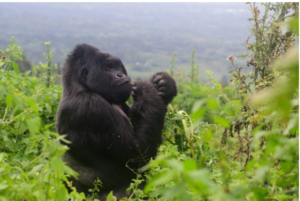
Rwanda is compact, safe, and well organized. Volcanoes National Park sits about two to three hours from Kigali, which makes it ideal for shorter trips. Rwanda’s permits are the most expensive, reflecting a high-value, low-impact tourism model. The park is also the home of the famous Dian Fossey research legacy and the annual Kwita Izina gorilla-naming ceremony.
Democratic Republic of Congo: Virunga National Park
Virunga offers a wilder and more adventurous experience, with permits that have historically cost less than Rwanda’s. Because of security concerns in the region, travelers should check current government advisories and book only through established operators with strong safety protocols.
Lowland Gorillas
Western lowland gorillas can be seen in Odzala-Kokoua National Park in the Republic of Congo and in Dzanga-Sangha in the Central African Republic. These safaris are more remote and tend to involve forest clearings called bais, where gorillas gather to feed.
What Does a Gorilla Trek Involve?
A typical trekking day follows a predictable rhythm:
- Early briefing. Rangers gather visitors at park headquarters around 7:00 to 8:00 a.m. and explain the rules and assign gorilla families.
- The trek. Groups of up to eight visitors set out with guides, trackers, and often armed rangers. Treks can last from 30 minutes to more than five hours, depending on where the gorillas moved overnight.
- The encounter. Once you find the family, you spend one hour with them. Rangers keep you at a respectful distance, though curious gorillas sometimes wander close.
- The return. After the hour ends, you hike back, often with a certificate and a story you will tell for years.
Rules protect the animals and you. Visitors must be at least 15 years old, stay about seven meters from the gorillas, keep voices low, avoid flash photography, and never approach if they are sick. Gorillas share about 98 percent of their DNA with humans and are vulnerable to our respiratory illnesses, so these health rules matter.
Gorilla Permit Costs
Permits are the biggest single expense of a gorilla safari, and they are issued by national wildlife authorities. As a rough guide for foreign non-resident visitors, Uganda’s permits have been around USD 800, Rwanda’s around USD 1,500, and DRC’s around USD 400. Prices change, and some countries run seasonal discounts, so confirm current rates with the Uganda Wildlife Authority, the Rwanda Development Board, or your tour operator before budgeting.
Permit fees directly support anti-poaching patrols, veterinary care, and local community projects, with a share going to the villages around the parks. Uganda also offers a gorilla habituation experience, in which visitors join researchers for up to four hours with a family still being habituated, at a higher price.
Best Time for Gorilla Tours
Gorillas can be trekked year-round, but conditions differ:
- Dry seasons (June to September and December to February): Trails are drier and less slippery, so these are the most popular and most expensive periods. Book permits well in advance.
- Wet seasons (March to May and October to November): Expect mud and rain, but also fewer crowds, lush scenery, and easier permit availability. Gorillas often stay lower on the slopes where food is plentiful, which can mean shorter treks.
Today is October, so travelers planning for the June to September window should start arranging permits several months ahead.
How to Prepare for Your Trek
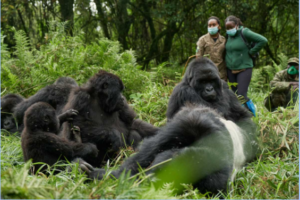
Fitness matters, since the terrain is steep, muddy, and at altitude between roughly 2,200 and 3,500 meters. You do not need to be an athlete, but regular walking or hiking in the weeks beforehand helps. Pack the following:
- Waterproof hiking boots with good grip
- Long-sleeved shirts and long trousers in neutral colors
- A light waterproof jacket
- Gardening gloves for gripping vegetation
- A daypack with water and snacks
- A camera without flash
- Insect repellent and sunscreen
Porters are available at most parks for a modest fee, and hiring one is a good decision. It supports local families and takes weight off your back.
Choosing a Responsible Operator
The best gorilla tours and safaris share a few traits. Look for an operator that is licensed and registered with the national tourism authority, and that is transparent about what the price includes. Good operators employ local guides and drivers, work with community lodges, and follow park regulations on group size and health. Read recent independent reviews, ask about cancellation and rebooking terms for permits, and avoid anyone who offers permits at suspiciously low prices or guarantees a particular gorilla family.
Conservation: Why Your Visit Matters
Mountain gorillas were once on the brink of disappearing, with only a few hundred individuals left in the late twentieth century. Thanks to protected habitats, daily monitoring, veterinary intervention, and community-supported tourism, the population has grown to over a thousand, and the species was reclassified from Critically Endangered to Endangered in 2018. Responsible tourism is a core part of that success. When local people see that living gorillas bring jobs and income, they have a strong incentive to protect the forest.
Conclusion
Gorilla tours and safaris offer something rare in modern travel: a genuine encounter with a wild animal that is both humbling and meaningful. Whether you choose the accessible lodges of Uganda, the polished efficiency of Rwanda, or the wild frontier of Virunga, careful planning makes the difference. Book permits early, prepare physically, respect the rules, and choose an operator who puts conservation and communities first. Do that, and an hour in the forest will stay with you long after the trek ends, while helping to secure a future for one of our closest relatives.
Key Takeaways
- Mountain gorillas live only in Uganda, Rwanda, and the DRC.
- Permits are the main cost, and they vary widely by country and change over time.
- A trek can last 30 minutes to over five hours, followed by one hour with the gorillas.
- The dry seasons are the busiest. The wet seasons are quieter but muddier.
- The minimum age is 15, and visitors must stay about seven meters away.
- Fees from permits fund conservation and local communities.
- Book early and choose a licensed, responsible operator.
Frequently Asked Questions
How much does a gorilla safari cost?
Costs depend on the country, season, and style of travel. The permit is the largest single item, and lodging, transport, and guides come on top. Budget safaris in Uganda cost far less than luxury stays in Rwanda. Always request an itemized quote.
How long do you spend with the gorillas?
Visitors get a strictly limited one hour once the gorillas are found. The trek to reach them varies and can be much longer.
Is gorilla trekking safe?
Yes. Habituated gorillas are calm around humans, and rangers lead every group. The main risks are the physical demands of the terrain, so wear proper footwear and pace yourself.
How hard is the trek?
It ranges from easy to strenuous. Rangers consider your fitness when assigning families, and you can ask for a shorter route.
How far in advance should I book?
For the dry seasons, book permits four to six months ahead, or earlier for peak dates. Wet-season permits are often easier to find.
Can children go gorilla trekking?
No. The minimum age is 15 in all the main parks, mainly to protect the gorillas from disease.
What if I am sick on the day of the trek?
Rangers may refuse entry to anyone with an illness such as a cold or flu. Ask your operator about refund or rescheduling policies before you book.
Can I see gorillas without trekking?
Not in the wild. Some zoos and sanctuaries house gorillas, but a true wild encounter requires a trek.
Should I tip the guides and porters?
Tipping is customary and appreciated. Ask your operator for recommended amounts, and tip trackers, rangers, and porters directly.

